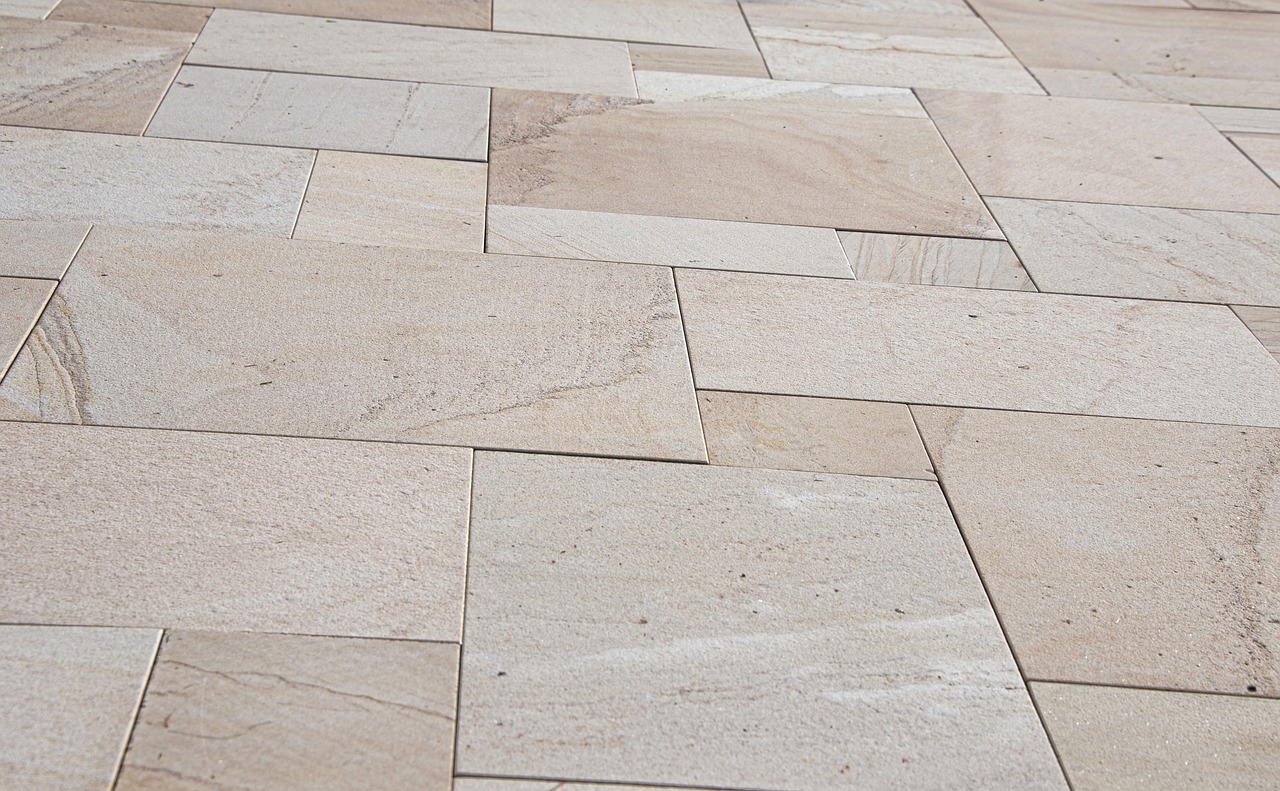
There is a distinct elegance to a home featuring natural stone flooring. It brings an earthy, grounded aesthetic that works as well in a rustic farmhouse as it does in a modern city apartment. However, the tactile reality of stone can sometimes dampen the appeal; without a heat source, it is notoriously cold to the touch. This characteristic makes the combination of stone flooring and underfloor heating (UFH) a logical and increasingly popular choice for homeowners. By installing a heating system directly beneath the stone, you transform a chilly surface into a primary source of warmth, effectively turning the floor itself into a large radiator.
Why Combine Stone and Underfloor Heating?
The partnership between underfloor heating stone floor is largely driven by physics. Stone has high thermal conductivity, meaning heat transfers through it quickly and effectively. Unlike carpet or wood, which can act as insulators and block the heat from rising, stone allows the warmth to pass through into the room with minimal resistance. This efficiency typically results in lower running costs compared to other flooring materials.
Another significant advantage is the quality of heat distribution. Radiators work by convection, heating the air around them which then rises to the ceiling, often leaving cold spots in the room. A heated stone floor radiates warmth evenly across the entire surface area. Because stone has high thermal mass, it holds onto this heat well. Once the floor is up to temperature, it will continue to gently radiate warmth even after the heating system has turned off, maintaining a stable and comfortable environment.
Beyond the practical heating benefits, this system offers aesthetic freedom. By removing the need for wall-mounted radiators, you free up wall space for furniture or artwork, allowing the natural beauty of the stone to remain the focal point of the room.
Selecting the Best Stone for the Job
While most natural stones work well with underfloor heating, some are more effective than others. Dense stones are generally superior conductors. Limestone, travertine, and slate are excellent choices because they transfer heat rapidly. Marble is another strong contender due to its density, allowing it to absorb and radiate warmth efficiently.
The thickness of the stone is a critical factor to consider. A thinner tile will heat up faster, providing a more responsive system. Conversely, a thicker flagstone will take longer to reach the desired temperature but will retain that heat for a longer period. For an optimal balance of response time and efficiency, a thickness of around 20mm is often recommended. If you choose a thicker stone, be prepared for a slightly slower warm-up time, although the sustained heat release can be a benefit in well-insulated homes.
Installation Matters
Installing UFH beneath stone requires specific preparation. The subfloor must be stable and level. Any movement in the base can transfer to the stone, leading to hairline cracks. For this reason, using a decoupling membrane is common practice. This layer sits between the subfloor and the stone, absorbing lateral movement and protecting the tiles from potential damage.
Insulation is another non-negotiable component. Without high-quality insulation boards installed beneath the heating elements, a significant portion of the heat will escape downwards into the ground rather than rising into the room. This makes the system work harder and drives up energy bills.
Given the technical requirements, hiring a professional installer is the best route. They can verify that the system is laid out correctly to provide even coverage and that the adhesive used is flexible enough to handle the thermal expansion and contraction that occurs as the floor heats and cools.
Summary of Benefits
Combining stone floors with underfloor heating offers a practical solution to the inherent coldness of natural materials. The high thermal conductivity of stone makes the system efficient and responsive, while the radiant heat provides a level of comfort that radiators struggle to match. With the right choice of stone and a correct installation, you create a durable, warm, and visually stunning foundation for your home. If you are planning a renovation, this pairing is certainly worth exploring for the long-term value and daily comfort it provides.